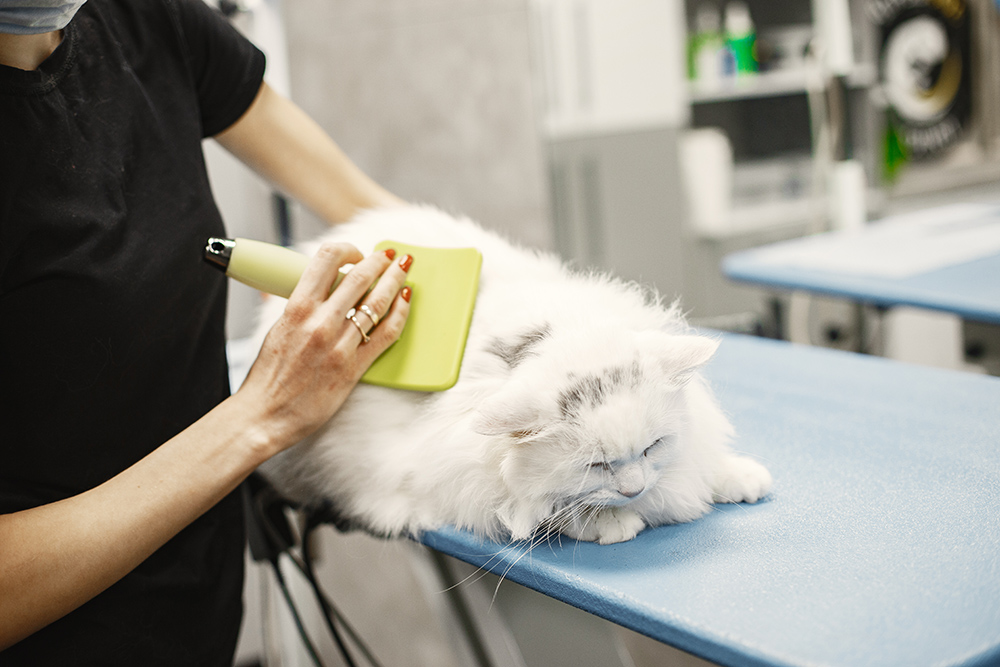
How Often Should You Groom A Cat?
Establishing a consistent coat care schedule for your feline companion is vital for preventing painful mats, minimizing problematic hairballs, and monitoring overall skin health throughout their life.
Understanding Feline Coat Types And Specific Shedding Cycles
Determining the ideal frequency for maintenance sessions depends heavily on your animal’s specific coat length, density, and daily self-cleaning habits. At Pet Clinic, our veterinary team highlights that while shorthaired felines are notoriously meticulous self-groomers, they still benefit from a thorough brushing once or twice every week to remove loose fur. Conversely, longhaired or thick-coated breeds require far more rigorous attention, necessitating daily brushing sessions to completely intercept severe tangles before they twist into tight skin-pulling mats.
Seasonal shifts also play a major role, as most cats experience heavy shedding cycles during the spring and autumn months, requiring owners to temporarily increase their brushing routines. Regular combing not only keeps the topcoat looking sleek and beautiful but also significantly cuts down on the volume of loose hair your pet accidentally swallows, directly reducing the frequency of distressing gastric hairball issues. Consistently matching your efforts to these natural physical variables ensures your pet stays perfectly comfortable and radiantly healthy year-round.
Managing Health Variables And Aging Considerations For Felines
As domestic felines advance in age or experience unexpected medical challenges, their innate ability to efficiently maintain their own hygiene often declines sharply. The dedicated staff at Pet Clinic regularly observes that senior cats struggling with painful arthritis or metabolic conditions frequently neglect hard-to-reach areas like the lower back, tail base, and hind legs. Overweight individuals face similar physical limitations, frequently requiring their human caregivers to step in with daily structural support to keep their skin clear of accumulated debris.
Furthermore, introducing regular nail trims every two to three weeks is essential for older cats, as their claws thicken over time and risk curling directly back into their sensitive paw pads. Incorporating these routine physical assessments into your home care schedule allows you to identify unusual lumps, skin inflammation, or external parasites before they escalate into major medical emergencies. Prioritizing these adaptive routines protects your aging companion's physical comfort while preserving their dignity and long-term emotional well-being.