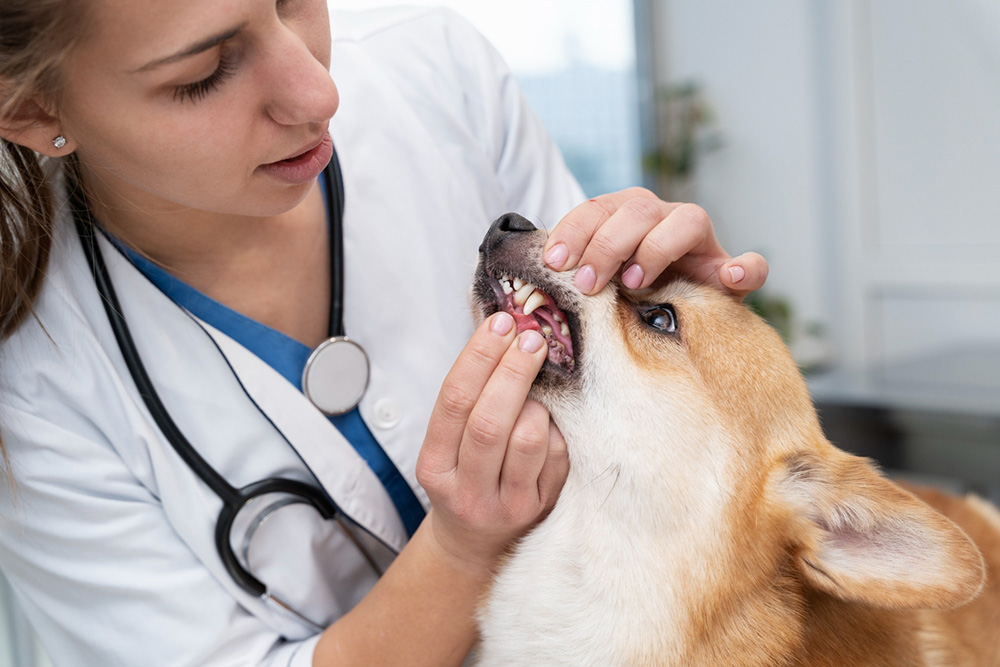
What Are The Signs Of Dental Disease In Cats?
Recognizing the subtle warning signs of feline oral health issues is vital for preventing chronic discomfort, avoiding severe infections, and maintaining your beloved companion's overall physical wellness.
Identifying Clear Oral Red Flags and Behavioral Shifts
Detecting the initial stages of periodontal problems requires a close evaluation of your cat's daily habits and physical changes. At Pet Clinic, our veterinary professionals emphasize that exceptionally foul breath, often dismissed as normal, is frequently the very first indicator of an underlying bacterial infection. As plaque builds up and hardens into thick, brown tartar along the gumline, you may notice significant swelling, redness, or even bleeding during mealtime.
These physical changes quickly lead to subtle behavioral shifts that reflect mounting discomfort. Your cat might suddenly begin tilting their head awkwardly while chewing, dropping pieces of dry kibble onto the floor, or entirely losing interest in their favorite crunchy treats. In more advanced stages, the persistent irritation can cause excessive drooling, sometimes tinged with blood, or cause them to aggressively paw at their muzzle in frustration. Routinely checking for these clear visual and behavioral cues ensures you catch expanding oral inflammation before it deeply impacts your pet's happiness.
Tracking Systemic Complications And Long Term Health Risks
Allowing oral bacteria to proliferate unmanaged can lead to severe physiological consequences that extend far beyond localized mouth pain. The dedicated medical team at Pet Clinic warns that chronic dental infections continuously release harmful bacteria directly into your cat's bloodstream through damaged gum tissue. Once these microscopic pathogens enter circulation, they can travel to vital internal organs, significantly increasing the risk of structural damage to the heart, liver, and kidneys over time.
On a daily level, the constant discomfort can cause a noticeable decrease in stamina, uncharacteristic irritability, or a complete refusal to eat, which triggers dangerous, rapid weight loss. Because domestic felines are instinctually driven to hide physical vulnerability, these systemic signs of decline are easily misattributed to natural aging or general lethargy. Prioritizing routine veterinary dental assessments allows you to intercept these hidden dangers early, protecting your feline's vital organs and ensuring they enjoy a vibrant, pain-free life.