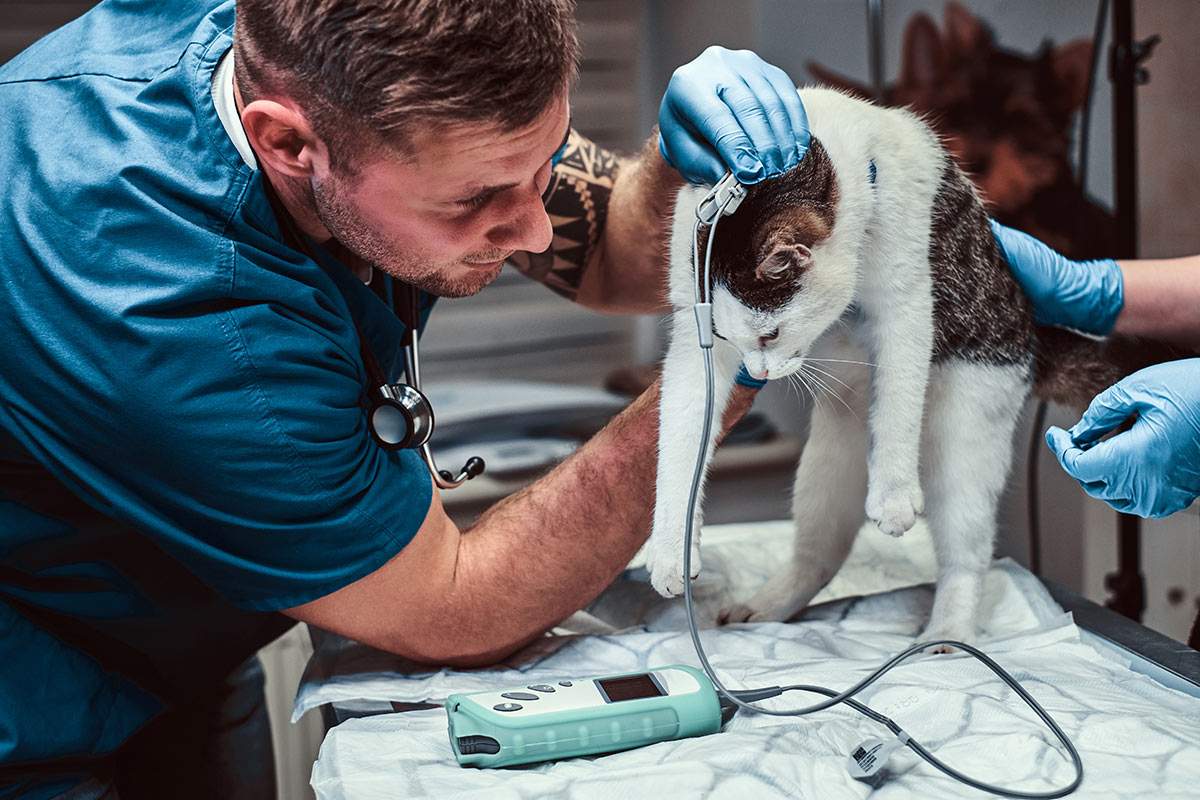
When Should I Take My Pet To A Pet Hospital?
Recognizing the critical signs that differentiate a mild, temporary ailment from a severe medical crisis ensures your beloved companion animal receives life-saving professional veterinary intervention exactly when they need it.
Identifying Immediate Emergency Triggers And Acute Physical Crises
Determining when an unexpected injury or sudden physical shift requires a rapid trip to an advanced medical facility is paramount for saving lives. At Pet Clinic, our medical team advises that certain acute symptoms demand immediate, uncompromising attention without waiting for a standard appointment. These critical red flags include severe respiratory distress, such as heavy panting, choking, or open-mouthed breathing, as well as sudden, traumatic injuries from vehicle accidents or deep puncture wounds. If your pet experiences persistent vomiting or severe diarrhea lasting over twenty-four hours, they face a high risk of dangerous, rapid dehydration.
Additionally, unmistakable neurological symptoms like sudden collapse, disorientation, uncharacteristic unsteadiness on their feet, or active seizures are clear emergencies that point to severe internal distress. Finally, if you suspect your animal has ingested toxic household chemicals, poisonous plants, or harmful human medications, immediate hospital care is absolutely essential to counter the poison before permanent organ damage or life-threatening complications develop.
Recognizing Subtle Signs Of Chronic Decline And Behavioral Shifts
Not every critical health crisis begins with an obvious, dramatic injury; many severe medical issues develop quietly over time through understated physical and behavioral adjustments. The compassionate specialists at Pet Clinic emphasize that a sudden, complete loss of appetite or a total refusal to drink water for more than a single day warrants a comprehensive professional evaluation. You should also closely track subtle changes in daily habits, such as a dramatic increase in thirst and urination, which frequently point to underlying chronic conditions like diabetes or progressive kidney disease.
Behavioral modifications are equally telling indicators of hidden physical pain; a typically affectionate pet who suddenly displays uncharacteristic irritability, continuous hiding, or aggressive withdrawal is often masking significant physical discomfort. Chronic, deep coughing, unexpected hair loss, or the emergence of rapidly growing lumps under the skin also demand professional diagnostic analysis. Trusting your instincts and addressing these progressive changes early protects your pet's long-term comfort and well-being.