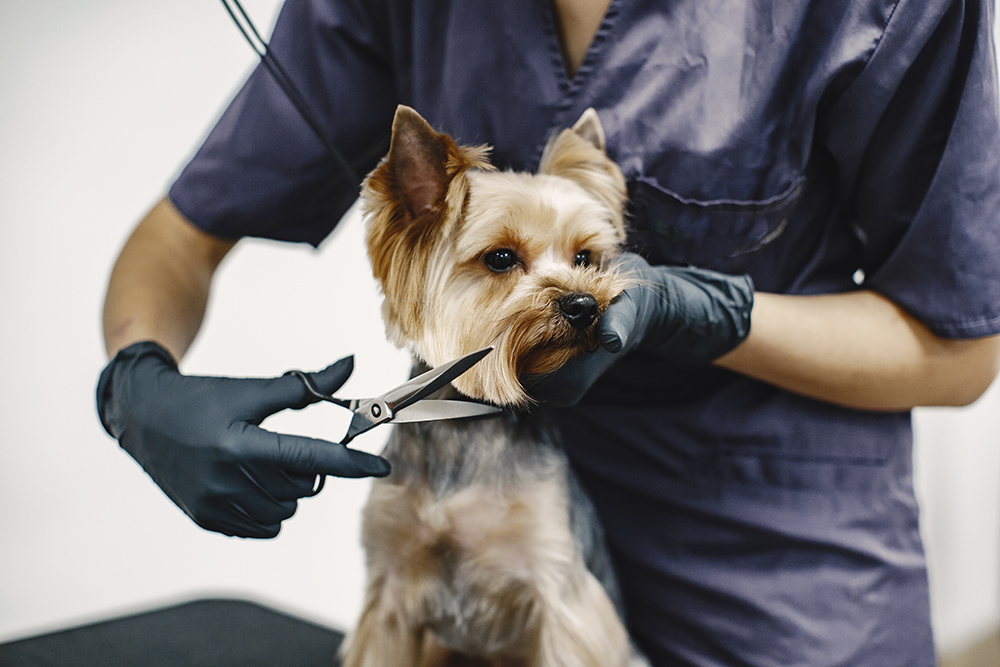
How Do You Calm An Anxious Dog During Grooming?
Transforming a stressful hygiene session into a peaceful experience for a frightened canine companion requires a gentle touch, specialized environmental adjustments, and slow, deliberate counter-conditioning practices to establish trust.
Utilizing Intentional Handling Dynamics And Specialized Sensory Accommodations
Managing an animal experiencing intense vulnerability during standard coat care requires a deep appreciation of canine sensory perception and emotional boundaries. At Pet Clinic, our compassionate handlers prioritize a low-stress approach by deliberately eliminating loud, sudden noises and minimizing unexpected physical movements around the table. Before initiating a bath or hair trim, allow your nervous companion ample time to explore the space and comfortably sniff mechanical tools like clippers or brushes. Moving with slow, purposeful gestures helps prevent defensive startle reflexes, while speaking in low, rhythmic tones projects a reassuring sense of leadership.
Integrating steady, comforting touch on neutral areas like the chest rather than reaching directly over their head builds immediate confidence. For animals particularly sensitive to auditory triggers, using highly absorbent towels instead of loud velocity dryers can gracefully defuse emerging panic. These simple yet profoundly deliberate environmental modifications shift the baseline atmosphere from a threatening ordeal into a secure, predictable routine that reduces overall adrenaline elevation.
Incorporating High Value Rewards And Patient Operational Pacing
Meticulously slowing down the operational velocity of a maintenance session is highly effective for safely de-escalating situational anxiety in sensitive pets. The dedicated specialists at Pet Clinic recommend pairing every single step of the hygiene process with highly appetizing, high-value treats like real meat or peanut butter. Smearing a savory reward onto a non-slip wall mat gives your dog a delicious distraction, effectively shifting their focal point away from running water or trimming shears.
Break the routine into brief, manageable increments interspersed with frequent, structured rest breaks that allow overstimulated animals to regain complete emotional composure. Never attempt to force a panicked animal through a complex procedure, as physical restraint significantly compounds psychological trauma and risks triggering defensive aggression. By keeping encounters brief and ending on a highly positive note, you proactively reshape your pet's long-term memory of the experience. Investing this extra time and patience establishes solid behavioral foundations, preserving your canine’s physical health while cultivating lasting emotional resilience.