How Do You Groom A Dog That Hates Being Groomed?
Caring for a highly sensitive canine companion who displays intense resistance to standard hygiene procedures requires immense patience, specialized behavioral accommodation strategies, and a remarkably soothing atmosphere to ensure safety.
Implementing Gradual Desensitization And Positive Reinforcement Techniques
Overcoming a domestic dog's deep-seated aversion to grooming maintenance begins with rewriting their immediate emotional response to stress-inducing tools. At Pet Clinic, our experienced professionals recommend initiating micro-sessions that focus entirely on building comfort before attempting an actual bath or trim. Start by placing clippers, slicker brushes, or nail trimmers on the floor alongside high-value reward treats, allowing your anxious companion to investigate the objects at their own comfortable pace.
Gradually advance to gently touching their paws and sensitive ears with the equipment while it remains turned off, pairing every single touch with enthusiastic verbal praise and savory snacks. Once they accept physical contact comfortably, activate noisy mechanical items at a safe distance to carefully acclimate their sensitive hearing to intense sensory vibrations. Dividing the overwhelming process into small, manageable milestones prevents defensive panic and prevents aggressive biting behaviors. Consistency is absolutely paramount during this preparatory behavioral phase, converting frightening clinical tasks into rewarding bonding exercises that cultivate a relaxed, cooperative state of mind over time.
Creating A Serene Environment And Utilizing Advanced Comfort Modalities
The physical space where hygiene procedures occur plays a monumental role in mitigating elevated adrenaline levels in fearful animals. The patient staff at Pet Clinic actively designs a low-stress sanctuary by systematically eliminating jarring auditory triggers, restricting sudden movements, and introducing specialized calming boundaries. Utilizing practical physical aids like non-slip rubber grooming mats gives nervous dogs secure mechanical footing, significantly reducing their feelings of vulnerability on elevated tables.
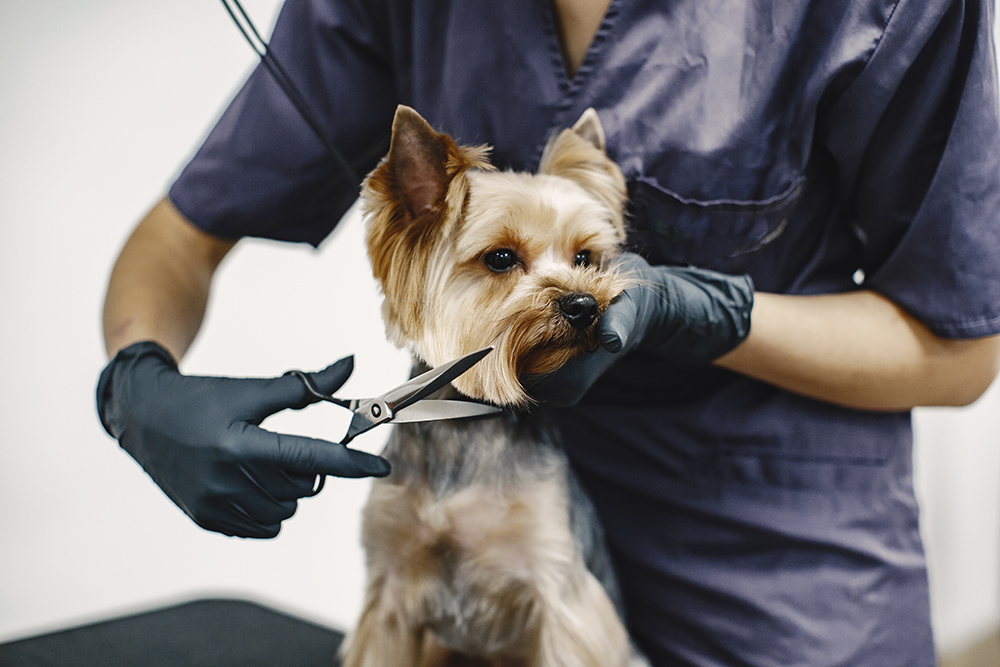
For highly sensitive individuals who struggle with air dryers or clippers, substituting highly absorbent towels or quiet manual shears can gracefully de-escalate situational panic. Incorporating frequent, structured rest periods allows overstimulated pets to regain emotional composure before physical exhaustion compromises their coping mechanisms. When home intervention proves insufficient for severely traumatized canines, partnering with certified veterinary behavioral specialists guarantees that your beloved pet receives the highest tier of medical consideration, keeping their delicate skin barrier and complex emotional well-being perfectly protected throughout every encounter.